Welcome to the world of Errors and Omissions Insurance—a safeguard for professionals navigating the bustling landscapes of Washington State. Imagine being shielded from the unexpected storms of legal claims and financial liabilities that can arise from even the most minor oversight. That’s precisely what Errors and Omissions Insurance promises, acting as a vital defense mechanism for professionals across various fields.
Errors and Omissions Insurance has evolved significantly over the years, adapting to the intricate needs of Washington State’s diverse professional environment. From its historical roots to its modern applications, understanding this insurance is crucial for anyone seeking to protect their career and business interests. Let’s dive into how this essential form of coverage distinguishes itself from other liability insurances and why it’s indispensable for professionals today.
Overview of Errors and Omissions Insurance

Did you know that one lawsuit can put a business under? That’s why Errors and Omissions Insurance is crucial. It acts as a safety net for professionals in Washington State.
Errors and Omissions Insurance (E&O) protects businesses and individuals from claims made by clients for inadequate work or negligent actions. In Washington State, this type of insurance is a must-have for anyone providing professional advice or services. It’s not just about peace of mind; it’s about financial security.
Historical Context and Development in Washington State
Errors and Omissions Insurance in Washington has evolved over the decades. Initially, it was only popular among large corporations, but now it’s essential for small businesses and freelancers too. As the economy shifted and more people started to offer professional services, the demand for E&O insurance grew rapidly.
In the past, businesses relied on general liability insurance to cover all their needs. BUT, as more complex lawsuits arose, the need for specialized coverage like E&O became apparent. Here is the deal: in Washington, the laws have become increasingly supportive of clients, making E&O Insurance a critical component of a business’s risk management strategy.
Key Differences between E&O and Other Liability Insurance
It’s easy to confuse Errors and Omissions Insurance with other types of liability insurance, but they are not the same. General Liability Insurance covers physical damage and bodily injury, while E&O deals with service-related errors.
Let’s break it down:
| Errors and Omissions Insurance | General Liability Insurance |
|---|---|
| Covers mistakes and negligence in professional services | Covers physical injuries and property damage |
| Essential for service-based businesses | Crucial for businesses with physical premises |
Pro Tip: Always review your E&O policy to ensure it covers the specific risks associated with your industry.
Understanding these differences is key to ensuring your business is fully protected. By getting the right coverage, you can avoid financial disasters and focus on growing your business in Washington State.
Legal Requirements in Washington State
Think you can skip Errors and Omissions Insurance in Washington State? Think again. Whether you’re a seasoned professional or just starting out, understanding the legal requirements is crucial.
Washington State doesn’t mess around when it comes to insurance mandates. If you’re in specific industries, not having the right coverage can lead to serious consequences. But who exactly needs this insurance, and what happens if you don’t comply?
Mandatory Insurance for Professionals
In Washington, certain professionals must carry Errors and Omissions Insurance to legally operate. This isn’t just a suggestion—it’s the law. We’re talking about real estate agents, insurance brokers, and financial advisors, among others. If you fall into one of these categories, E&O Insurance isn’t optional; it’s a requirement.
Consequences of Non-Compliance
Skipping this insurance isn’t just risky—it’s costly. Imagine losing your license or facing hefty fines just because you didn’t have the right coverage. The state can impose penalties that not only hurt your wallet but also your professional reputation. Here is the deal: not having E&O Insurance can put your entire career at risk.
Pro Tip: Always double-check your industry regulations. You might find unexpected requirements that could save you from a compliance nightmare.
Coverage Scope and Limitations
Did you know that a single lawsuit could cost your business thousands of dollars? That’s where Errors and Omissions Insurance comes in. This insurance is your financial safety net, especially in Washington State.
Now, let’s get into the nitty-gritty. What does this coverage actually include? And more importantly, what are its limitations?
Typical Coverage Offered
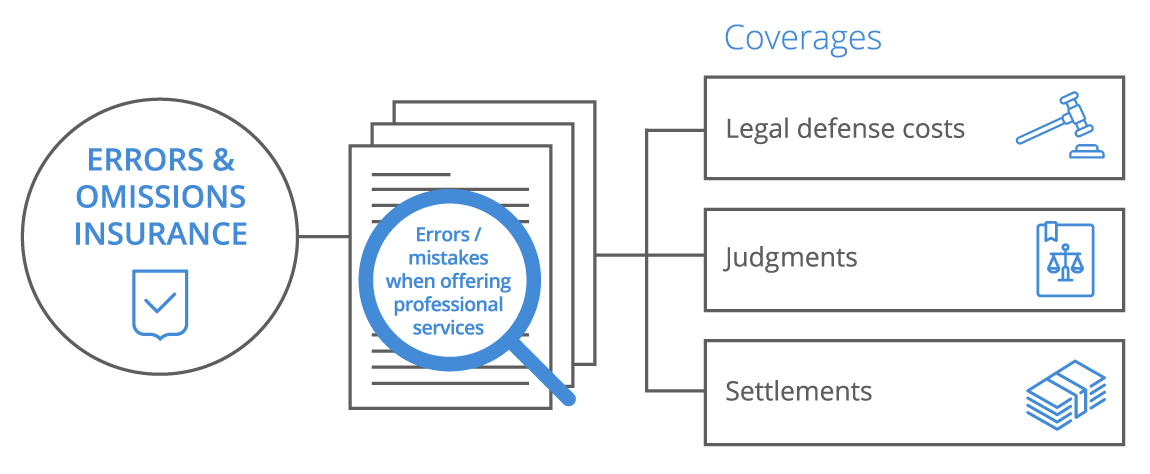
Errors and Omissions Insurance, often called E&O, is designed to protect you from claims of negligence or inadequate work. Imagine you’ve given advice to a client, and it didn’t pan out as expected. They sue. Your E&O policy would cover the legal fees and damages up to your policy limit. In Washington State, this insurance typically covers: client claims of misrepresentation, breach of contract, and professional negligence.
Common Claims and Situations
Here’s a real-world example: You’re a consultant who advised a client on a project. Something goes wrong, and they lose money. With E&O insurance, you’re covered. Another scenario? A disgruntled client claims you made an error in your calculations causing them financial harm. Again, your policy steps in.
Policy Limitations and Exclusions
Before you get too comfortable, understand that E&O insurance isn’t a blanket solution. There are several scenarios where your coverage might not apply:
- Intentional wrongdoing by you or your employees
- Claims of bodily injury or property damage
- Employment-related issues like harassment or discrimination
- Cyber liability incidents, unless specifically included
Here is the deal: knowing these limitations upfront can save you from unexpected surprises. Always read your policy terms carefully.
Pro Tip: To avoid unexpected denials, always disclose all potential risks to your insurer during the application process.
Comparing Providers and Policy Options
Can you imagine paying for insurance that doesn’t quite cover your needs? When it comes to Errors and Omissions Insurance in Washington State, you have multiple providers to choose from. Let’s break down your options so you can make an informed decision.
There are several big names in the industry that offer this type of coverage, but which one is right for you? Here is the deal: you’ll want a policy that balances cost, coverage limits, and reliability. Let’s compare the major players.
Major Insurance Providers: A Breakdown
The market for Errors and Omissions Insurance is flooded with options. But not all providers are created equal. Below is a side-by-side comparison of the top contenders in Washington State.
| Provider | Premium Costs | Coverage Limits | Customer Reviews |
|---|---|---|---|
| Provider A | $500/year | $1 million | 4.5/5 |
| Provider B | $450/year | $500k | 4.2/5 |
| Provider C | $600/year | $2 million | 4.7/5 |
Customizing Policies to Suit Your Needs
Do you think one-size-fits-all when it comes to insurance? Think again. Tailoring your Errors and Omissions Insurance can make a massive difference in your coverage. Here’s how you can customize your policy:
- Assess the specific risks associated with your profession.
- Negotiate the coverage limits that align with your business scale.
- Consider adding endorsements for specialized services.
Pro Tip: Always review your coverage annually to ensure it grows with your business.
By understanding your unique risks and requirements, you can configure an insurance policy that not only covers you adequately but also doesn’t break the bank. This is where consulting with an experienced broker can pay off.
Claims Process and Management
Did you know that over 50% of professionals in Washington State will face an errors and omissions claim at some point in their career? That’s why understanding the claims process is crucial. You don’t want to be caught off guard when it happens.
Filing a claim under an Errors and Omissions (E&O) insurance policy can be straightforward if you know the steps. But navigating the system requires attention to detail. Here is the deal: missing a step can mean the difference between a successful claim and a denied one.
Step-by-Step Process for Filing a Claim
First things first, immediately notify your insurer when a claim or potential claim arises. Delays can complicate your case. Step #1: Gather all relevant documents, including contracts, emails, and any communication related to the claim. Step #2: Fill out your insurer’s claim form meticulously. Missing information can cause delays.
Next, submit your documentation with a clear, concise summary of the situation. Be honest and thorough. Step #3: Keep track of all correspondence with your insurer. Document every conversation and email. This paper trail can be invaluable if disputes arise.
Strategies for Managing Claims and Negotiating Settlements
Effective claim management isn’t just about filing. It’s about strategic negotiation. Consider hiring an expert if the claim is substantial. They can offer insight into the insurer’s tactics and help you settle favorably.
Pro Tip:
Always propose a counteroffer. Insurers often start low, expecting negotiations.
Finally, maintain an open line of communication with your insurer. Being proactive can sometimes speed up the process.
Documenting and Presenting a Strong Case
Building a robust case starts with documentation. Gather evidence that supports your defense, like client agreements and correspondence. Step #1: Organize these documents chronologically. It tells a clearer story.
Step #2: Prepare a summary of the case, highlighting key points and supporting them with evidence. This will be your go-to reference during discussions.
And remember, accuracy is key. Double-check all facts before submission. A strong case well-presented can sway decisions in your favor.
Case Studies and Real-World Examples
Did you know that a single E&O claim can cost a business hundreds of thousands of dollars? These real-world examples show just how impactful Errors and Omissions Insurance can be.
By examining these cases, you’ll learn how to enhance your risk management strategies and avoid costly mistakes.
Real Claims and Their Consequences
Consider a tech company that faced a $250,000 lawsuit due to a software glitch that led to data loss for a major client. Without Errors and Omissions Insurance, this company might have gone bankrupt. This case highlights the pivotal role insurance plays in safeguarding against unforeseen errors.
Another example involves a financial adviser who mistakenly advised a client leading to a $100,000 investment loss. The insurer covered the claim, but the advisor learned a vital lesson about double-checking advice and documentation before delivery.
Lessons Learned from E&O Claims
From these cases, it’s clear that proper documentation and client communication are key. Many claims arise from misunderstandings or miscommunications rather than outright mistakes. Professionals should ensure that all agreements and expectations are clearly artikeld and understood by all parties.
Pro Tip: Always keep a paper trail. Document every interaction and decision with clients to prevent misunderstandings.
Avoiding Common Pitfalls
One common mistake is underestimating the scope of coverage needed. Businesses often opt for lower premiums, but this can backfire when claims exceed coverage limits, leaving them exposed. It’s crucial to assess the full scope of potential risks and select an appropriate policy.
Another pitfall is failing to update your policy as your business evolves. If your services or client base changes, your coverage needs might change too. Regularly review and adjust your policy to ensure it aligns with your current risk profile.
Last Word

In conclusion, Errors and Omissions Insurance in Washington State is more than just a policy—it’s a pivotal part of a professional’s risk management strategy. By understanding its nuances, adhering to legal mandates, and effectively managing claims, professionals can navigate the complexities of their careers with confidence. Embrace this insurance as your trusted ally, ensuring that even when mistakes happen, your professional journey remains secure and prosperous.
Answers to Common Questions
What is Errors and Omissions Insurance?
Errors and Omissions Insurance, also known as professional liability insurance, protects professionals from claims of negligence, mistakes, or inadequate work.
Who needs Errors and Omissions Insurance in Washington State?
It is essential for professionals such as lawyers, real estate agents, consultants, and accountants in Washington State to have this insurance.
Are there legal requirements for Errors and Omissions Insurance in Washington?
Yes, certain professions are legally required to carry Errors and Omissions Insurance to operate in Washington State.
What does Errors and Omissions Insurance cover?
This insurance typically covers legal defense costs, judgments, and settlements arising from claims of professional errors or omissions.
What are common exclusions in Errors and Omissions policies?
Exclusions often include intentional wrongdoing, criminal acts, and general liability claims.
How do I file a claim under an Errors and Omissions policy?
Contact your insurance provider, gather necessary documentation, and follow their specific claims process artikeld in your policy.