Hey entrepreneurs! If you’ve ever wondered about protecting your small business with the right insurance, you’re in the right place. Whether you’re just starting out or looking to fine-tune your current coverage, understanding the ins and outs of small business insurance is crucial. Insurance isn’t just a safety net; it’s a launchpad for growth and peace of mind.
Let’s demystify the world of small business insurance. From general liability to industry-specific coverages, knowing what your business needs can make all the difference. So, buckle up as we dive deep into the essentials of safeguarding your enterprise, Backlinko style!
Overview of Small Business Insurance

Did you know that 40% of small businesses will experience a claim in the next 10 years? Yep, that’s why small business insurance is crucial. It acts as a safety net when unexpected events threaten to disrupt your operations.
Small business insurance is not just a formality. It’s a lifeline. From natural disasters to lawsuits, this coverage shields your business from a wide range of risks. Without it, you could be facing financial ruin.
Types of Risks Covered by Small Business Insurance
Here is the deal: small business insurance covers a myriad of risks. These include property damage, liability claims, and even employee-related risks like workers’ compensation. Whether it’s a fire destroying your inventory or a customer slipping and suing your business, insurance has got you covered.
General Liability vs. Professional Liability Insurance
Both general liability and professional liability insurance are essential, but they serve different purposes. Let’s break it down:
| Insurance Type | Coverage | Best For |
|---|---|---|
| General Liability | Covers bodily injury, property damage, and advertising injury | Brick-and-mortar businesses, retail stores |
| Professional Liability | Covers negligence, misrepresentation, and mistakes | Service providers, consultants |
Pro Tip: If your business provides advice or services, professional liability insurance is non-negotiable.
Common Claims Covered by Small Business Insurance
So, what kind of claims can you expect? Common claims include slip-and-fall accidents, data breaches, and product liability. For example, if a customer trips in your store and demands compensation, or if a cyber-attack exposes client data, your insurance steps in.
Types of Small Business Insurance
Did you know that 40% of small businesses will file an insurance claim in the next 10 years? Shocking, right? This is why understanding the types of small business insurance is crucial for protecting your hard-earned business assets.
Let’s dive into the essential insurance policies every small business owner should consider. Your business might not survive without them.
Essential Insurance Policies for Small Businesses
Every small business is different. But when it comes to insurance, there are several policies that are universally important.
- General Liability Insurance: Covers bodily injury, property damage, and advertising injury.
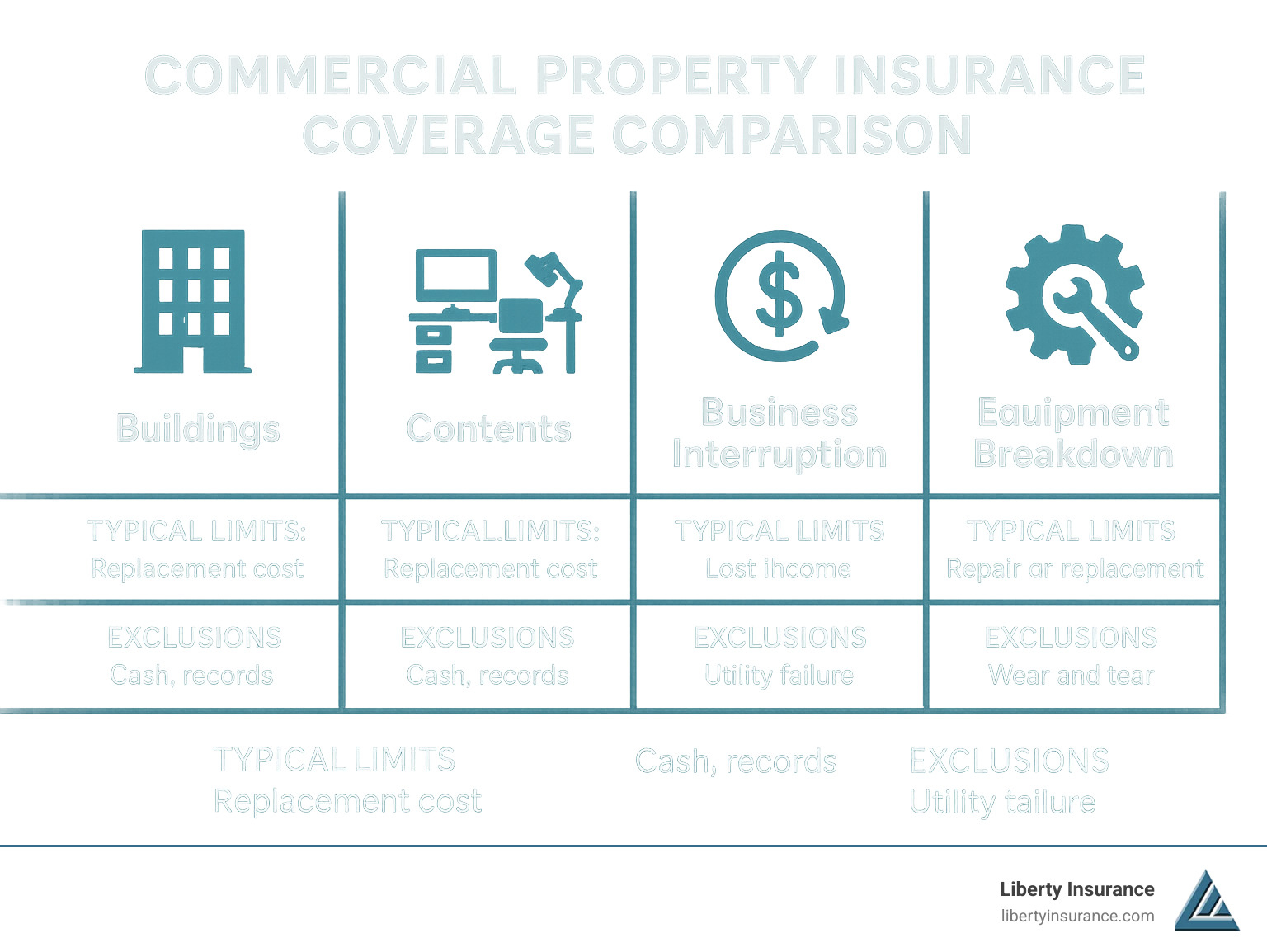
- Property Insurance: Protects your physical assets like buildings, equipment, and inventory.
- Business Owner’s Policy (BOP): A bundled package of property and liability insurance.
- Workers’ Compensation Insurance: Provides medical benefits and wage replacement to employees injured on the job.
- Professional Liability Insurance: Also known as Errors and Omissions (E&O), it covers negligence claims.
Property Insurance vs. Business Owner’s Policy (BOP)
Choosing between property insurance and a business owner’s policy can be confusing. But here’s the deal: it comes down to how much protection you need.
| Property Insurance | Business Owner’s Policy (BOP) |
|---|---|
| Only covers physical assets | Covers physical assets plus liability |
| No liability coverage | Includes general liability insurance |
Pro Tip: If you’re just starting out and need comprehensive coverage, a BOP might be a better choice because it combines multiple policies into one affordable package.
Choosing the Right Insurance Coverage Based on Industry
Not all businesses are created equal. Your industry dictates the specific types of insurance you need.
For example, a tech startup might prioritize cyber liability insurance due to the nature of their work. Meanwhile, a restaurant will definitely need liquor liability insurance if alcohol is served.
Here’s how to zero in on the right coverage for your business:
- Identify the specific risks associated with your industry.
- Consult with an insurance broker who understands your market.
- Customize your insurance package to bridge any gaps in coverage.
Additional Coverage Options for Small Businesses
Beyond the basics, there are specialized coverages that might be necessary depending on your business needs.
- Cyber Liability Insurance
- Commercial Auto Insurance
- Liquor Liability Insurance
- Product Liability Insurance
- Employment Practices Liability Insurance
Factors Influencing Insurance Costs
Did you know that two businesses in the same industry can pay wildly different insurance premiums? It’s true. And the reasons might surprise you.
Understanding the factors that influence your small business insurance costs is crucial. Knowing these can help you negotiate better rates and avoid overpaying.
Key Factors That Affect Premiums
Insurance companies consider several key factors when determining your small business’s insurance premiums. The type of business you run is a major one. For instance, a construction company will usually pay higher premiums than a consulting firm because of the inherent risks involved.
Another important factor is the size of your business. Larger businesses often face higher premiums due to their scale and potential liabilities. On the flip side, smaller businesses might enjoy lower costs, but this isn’t a given.
Pro Tip: Increase your deductible to lower your premium. It’s a simple yet effective way to manage costs.
Industry Cost Variations
Insurance premiums can vary significantly across different industries. Here’s a quick look at how these costs compare:
| Industry | Average Premium |
|---|---|
| Construction | $1,500 – $2,000 |
| Retail | $750 – $1,200 |
| Consulting | $500 – $800 |
As you can see, construction businesses tend to face higher premiums. This is because they deal with more physical risks compared to a consulting business.
The Role of Business Location
Where you’re located can make a big difference in your insurance costs. You might pay more if your business is in an area prone to natural disasters, high crime rates, or if it has strict regulatory requirements.
For example, a coastal business might face higher insurance rates due to the risk of hurricanes. Meanwhile, businesses in urban areas might pay more because of higher crime rates.
Here is the deal: Your location is a risk factor that insurers can’t ignore. So, it pays to be aware of how your zip code impacts your costs.
Risk Management Practices
Want to slash your insurance costs? Focus on risk management practices. Insurers love when businesses take proactive steps to reduce risks.
This can include implementing safety protocols, conducting regular inspections, or even installing security systems. These practices show insurers that you’re serious about minimizing claims.
Plus, some insurers offer discounts for businesses with robust risk management strategies. This means more savings for you.
Steps to Obtain Small Business Insurance
Did you know there’s a whopping 40% chance your small business could face a lawsuit over the next decade? That’s why having the right insurance is crucial.
But how exactly do you get the perfect coverage without overpaying? Let’s dive into the steps you need to take.
Evaluating Your Insurance Needs
Before you start shopping, you need to understand what coverage your business truly needs. This means assessing your assets, potential risks, and industry-specific requirements.
Start by listing your business assets and liabilities. Then, consider risks like natural disasters, theft, or lawsuits that could impact your operations.
Pro Tip: Consult a risk management expert for a comprehensive risk assessment.
Gathering Necessary Documentation
Once you’ve determined your needs, it’s time to gather the necessary documentation. This is essential for getting accurate quotes and coverage.
Here’s a quick checklist to get you started:
- Business licenses and permits
- Financial records (e.g., balance sheets, tax returns)
- Employee details (if applicable)
- Contracts and lease agreements
- Inventory lists
Collect these documents in advance to streamline the quoting process.
Comparing Quotes from Different Providers
You wouldn’t buy the first car you test drive, right? The same logic applies to insurance. Shop around and compare quotes from multiple providers.
Here’s the deal: Prices can vary significantly. So, make sure to compare what’s included in each policy, not just the price tag.
| Provider | Coverage Type | Premium | Deductible |
|---|---|---|---|
| Provider A | General Liability | $1,200/year | $500 |
| Provider B | General Liability + Property | $1,500/year | $1,000 |
Pro Tip: Ask about bundling options to save on premiums.
Checklist for Purchasing Small Business Insurance
Ready to pull the trigger on a policy? Make sure you follow this final checklist to ensure everything is in order:
- Review all quotes thoroughly and select a provider.
- Confirm the coverage meets your business needs.
- Negotiate terms and ask for discounts.
- Sign the policy and verify all details are correct.
- Set up automatic payments to avoid lapses in coverage.
Following these steps will help you secure the right insurance for your business, providing peace of mind and financial protection.
Common Challenges and Solutions
Did you know that 40% of small businesses have never reviewed their insurance policies? This oversight can lead to some serious headaches down the road. Let’s tackle the common challenges faced when acquiring small business insurance and uncover some rock-solid solutions.
Acquiring insurance isn’t always a walk in the park. Whether it’s dealing with coverage gaps, facing high premiums, or encountering denied claims, small businesses need to be prepared. Here’s the deal: understanding these challenges and knowing how to address them can save your business from unexpected financial setbacks.
Overcoming Coverage Gaps
Coverage gaps can leave your business vulnerable. It’s like wearing a raincoat with holes in it. You might think you’re protected, but you’re really not. Step #1 is to conduct a thorough risk assessment. Identify all potential risks your business might face, from property damage to liability issues.
Once you have a list, compare it against your current policy. Look for areas that aren’t covered and adjust your policy accordingly. Consider adding endorsements or riders to fill those gaps.
Pro Tip: Consult with an insurance advisor to ensure you have comprehensive coverage tailored to your specific business needs.
Managing High Premiums
High premiums can be a killer for small businesses. BUT, there’s a way to manage them without sacrificing coverage. Step #2 is to shop around and compare quotes from multiple insurers. Don’t settle on the first policy you’re offered.
Also, consider raising your deductible. This move can significantly lower your premium costs. Just make sure you have enough reserves to cover the deductible if needed.
Regular Policy Reviews and Updates
Your business isn’t static, and neither should be your insurance policy. Set a plan to review and update your insurance annually. This ensures you’re always adequately covered as your business grows and evolves.
Keep track of any changes in business operations, assets, and revenue. These factors should all inform your insurance needs and adjustments.
Dealing with Denied Claims or Disputes
Denied claims can be frustrating, but the good news is that they aren’t the end of the line. If your claim is denied, the first step is to understand why. Request a detailed explanation from your insurer.
If you believe the denial was incorrect, gather all supporting documents and file an appeal. Most insurers have a process for this, and it’s your right to pursue it. If all else fails, consider seeking legal advice to explore your options.
Real-life Case Studies
Ever wondered how some small businesses bounce back stronger after a disaster while others crumble? The secret often lies in their insurance coverage.
Let’s dive into real-life case studies where small businesses leveraged insurance to navigate through tough times and emerge victorious.
From Devastation to Recovery: The Bakery That Bounced Back
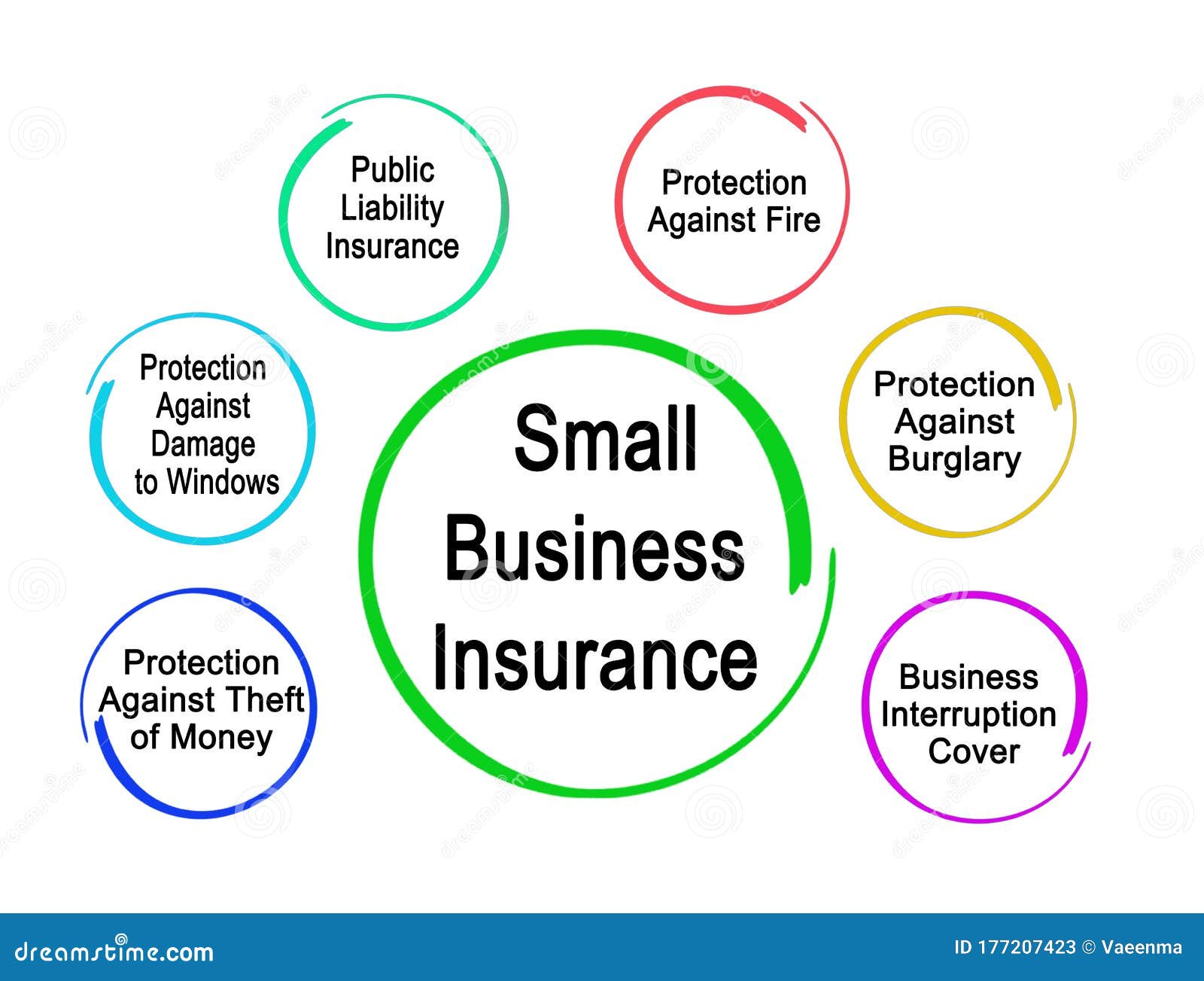
Picture this: a cozy bakery thriving in a small town. Suddenly, disaster strikes in the form of a fire. But instead of shutting down, this bakery rose from the ashes—thanks to a comprehensive business insurance policy. With property insurance and business interruption coverage, they not only rebuilt but also covered lost income. The result? They reopened bigger and better within months.
Turning Tide: A Retail Store’s Comeback After Theft
Here’s another remarkable story. A local retail store faced a massive theft incident, losing thousands in inventory. The owner had wisely invested in commercial crime insurance. This coverage reimbursed the stolen goods’ value, allowing the store to replenish stock without financial strain. Their quick recovery not only saved the business but also boosted customer confidence.
Pro Tip: Invest in comprehensive insurance to safeguard your business against unforeseen events.
Learning from the Past: A Restaurant’s Resilient Journey
A bustling restaurant faced a severe setback when a flood damaged its premises. Fortunately, their flood insurance policy was in place. It covered the cost of repairs and equipment replacement extensively. In just a few weeks, they were serving patrons again, proving that the right insurance can be a game-changer in recovery and sustainability.
Summary
To wrap it all up, securing the right insurance for your small business isn’t just about compliance—it’s about confidence in your operations. With these insights and strategies, you’re now equipped to tackle any insurance challenge head-on. So, go forth and ensure your business’s success with the right coverage!
Q&A
What is the difference between general liability and professional liability insurance?
General liability insurance covers common business risks like bodily injuries and property damage, while professional liability insurance protects against claims of negligence or mistakes in professional services.
Why is small business insurance important?
Small business insurance is vital because it protects your business from financial losses due to unexpected events like lawsuits, property damage, or employee injuries.
How do I choose the right insurance coverage for my industry?
Consider the specific risks associated with your industry and consult with an insurance professional to tailor a policy that meets your business needs.
What factors influence the cost of small business insurance?
Factors include business location, industry type, claims history, and the specific coverages selected.
Can I reduce my insurance premiums?
Yes, by implementing risk management practices, maintaining a safe work environment, and shopping around for competitive quotes.