When it comes to safeguarding your wealth, health, and assets, having the right insurance company by your side can make all the difference. But the question remains: who are the top three players in this vast and dynamic industry? Navigating through the sea of insurance options can be daunting, but don’t worry—we’ve done the heavy lifting for you.
In this comprehensive guide, we’re diving deep into the world of insurance giants. From evaluating their financial prowess to scrutinizing customer satisfaction, and from exploring their technological innovations to examining their ethical practices, we’ll uncover what makes these companies the cream of the crop. Fasten your seat belts as we embark on this insightful journey!
Introduction to Top Insurance Companies
Ever wondered which insurance companies are truly on top? Let’s dive into what makes the best stand out from the rest.
In a world where insurance plays a crucial role in financial security, selecting the top players involves a meticulous process. You can’t just look at revenue. You have to consider multiple factors like market share, customer satisfaction, and global reach to find out who truly rules the insurance realm.
Understanding the Global Insurance Industry Landscape
The insurance industry is colossal, valued at $5 trillion globally. It touches every corner of the globe, from New York to New Delhi. This isn’t just about numbers—it’s about providing protection and peace of mind to billions of people. However, in such a vast market, determining the leaders is all about understanding who serves the most people effectively.
The Impact of Market Share and Customer Satisfaction
Here’s the deal: market share is like the scoreboard in this game. It tells you who’s really leading the pack and making the biggest impact. BUT, having a large market share means nothing if customers aren’t happy. Customer satisfaction is the secret sauce that keeps companies at the top. Companies that nail both of these aspects? They don’t just survive—they thrive.
Pro Tip: Always check both market share and customer satisfaction scores when evaluating insurance companies.
Financial Performance
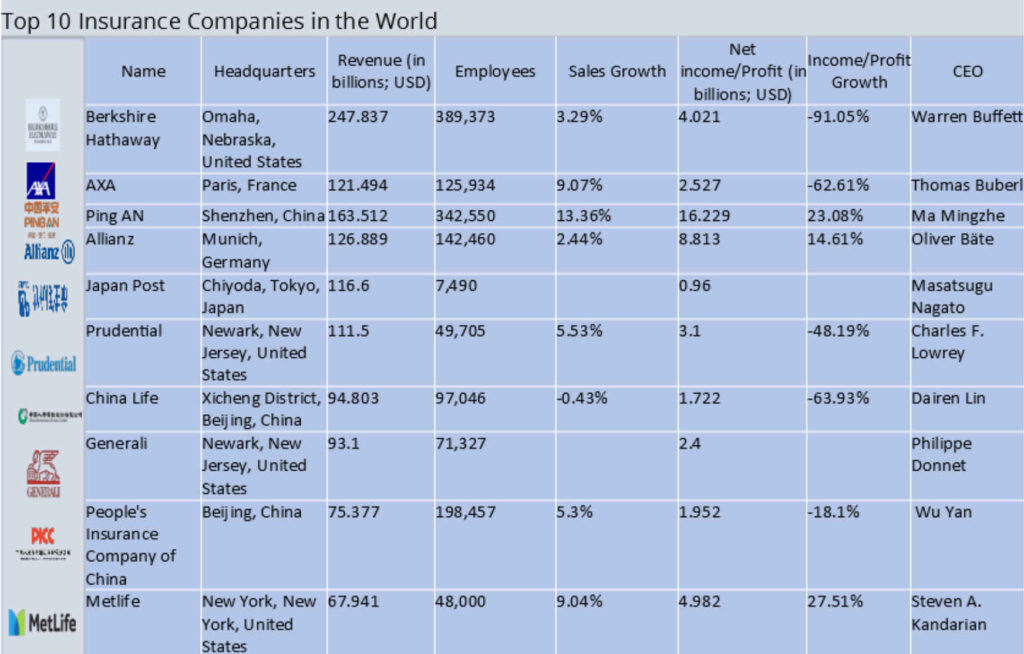
When it comes to insurance companies, financial performance is king. Believe it or not, a company’s ability to generate steady revenue and profit growth can make or break their position in the industry.
Insurance companies are typically evaluated using a slew of financial metrics. These include revenue, profit growth, return on equity (ROE), and underwriting profit. Each metric gives a unique insight into how well a company is performing financially. But, here is the deal: it’s not just about the numbers. The stability of these figures over time is what truly sets top companies apart.
Revenue and Profit Growth Comparison
Let’s dive into the numbers and see how the top three insurance companies stack up. Here’s a table that breaks down their recent revenue and profit growth:
| Company | Revenue Growth (%) | Profit Growth (%) |
|---|---|---|
| Company A | 8.5 | 10.2 |
| Company B | 9.1 | 7.8 |
| Company C | 7.4 | 11.0 |
If you are wondering why these metrics matter so much, it’s simple. Financial stability directly impacts an insurance company’s ranking and reputation. When an insurer consistently posts strong financial results, it signals reliability to both investors and policyholders. It means they can cover claims without a hitch, even in tough economic times.
Pro Tip: Always look for companies with a track record of stable financial performance when choosing an insurer.
Customer Service and Satisfaction
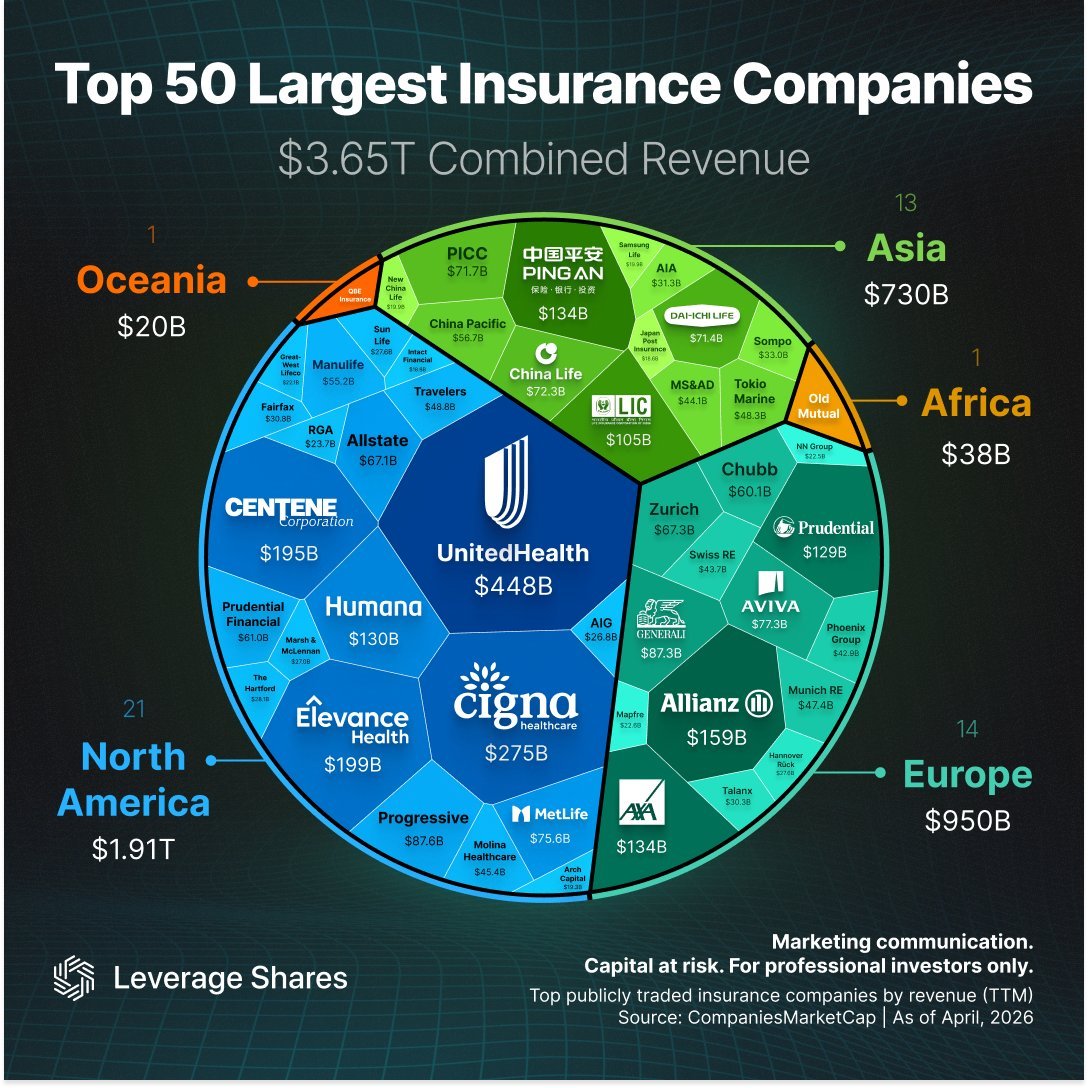
Did you know that a stellar customer service experience can make or break an insurance company? It’s true! Insurance isn’t just about numbers; it’s about people feeling secure and valued.
When you choose an insurance provider, you’re not just buying a policy; you’re investing in a relationship. This is why top-tier companies focus heavily on customer service. But what exactly makes their customer service stand out?
Factors Contributing to High Customer Satisfaction in Insurance
Here’s the deal: the top three insurance companies excel in customer satisfaction due to a few key factors. First, they offer 24/7 support, ensuring help is available whenever you need it. Second, they provide personalized service, which means you get solutions tailored to your unique needs. And most importantly, they maintain transparent communication, so you’re never in the dark about your coverage or claims.
Pro Tip: Make sure to choose an insurance provider that prioritizes real-time support and clear communication to ensure a smooth experience.
Customer Service Awards and Recognitions Received
Wondering which companies are killing it with customer service? Check out the accolades they’ve earned:
- Company A: JD Power Award for Highest Customer Satisfaction
- Company B: National Quality Assurance Award for Service Excellence
- Company C: Customer Service Excellence Award by American Business Awards
Implementation of Customer Feedback Mechanisms
Listening to customers is essential for improvement. These companies implement robust feedback mechanisms that allow them to stay ahead of customer needs. For instance, they use surveys and digital platforms to collect feedback in real-time. Additionally, they host focus groups to dive deep into customer experiences and make necessary adjustments.
By turning feedback into action, they not only improve their services but also build lasting trust with their customers. You see, it’s not just about hearing feedback; it’s about acting on it to create a better experience.
Innovation and Technological Advancements
Ever wonder how insurance companies are staying ahead in a fast-paced digital world? Technology is the game changer. From customized plans to seamless claims processing, innovation is transforming the insurance landscape.
Top insurance companies aren’t just sitting back. They’re pushing the envelope with breakthrough products and services. But here’s the deal: it’s not just about being tech-savvy. It’s about leveraging these advancements to create a stellar customer experience.
Cutting-Edge Insurance Products and Services
Some companies are offering usage-based insurance, where your premiums are determined by how you drive. Others are entering the digital health space with wearable tech discounts. That’s right—your smartwatch can help you save on insurance! This isn’t just innovation for its own sake. It’s about meeting customer needs in a whole new way.
By using telematics, insurance firms are now able to offer real-time data analysis on driving habits. This means more accurate pricing and better risk management. Also, microinsurance products are making waves by offering coverage for specific events or time frames, catering to previously underserved markets. These advancements are changing the name of the game.
Technology Enhancing Customer Experience
Imagine filing a claim with just a few taps on your phone. That’s the reality for many policyholders today. With user-friendly mobile apps, companies are providing 24/7 access to services, making it easier than ever to manage policies.
Chatbots and virtual assistants are another big step forward. They provide instant support and can handle routine inquiries, freeing up humans for more complex issues. The focus isn’t solely on efficiency—it’s about enhancing the customer journey every step of the way.
AI and machine learning play a critical role in modern insurance practices, detecting fraud and predicting customer needs with unprecedented accuracy.
These technologies can analyze massive datasets in seconds, uncovering insights that humans might miss. With predictive analytics, insurers are now offering personalized products that anticipate your needs before you even know them yourself.
Global Presence and Market Share
Ever wondered why your favorite insurance company is everywhere? It’s not just by chance. The top three insurance giants have mastered the art of globalization.
These companies aren’t just local players. They’re global powerhouses, expanding their footprints across continents. But why do they go global? Simple: to tap into emerging markets and diversify risk.
Geographical Distribution of Operations
Let’s break it down. Here’s how these companies stack up with their global reach:
| Company | Regions of Operation | Market Share (%) |
|---|---|---|
| Company A | North America, Europe, Asia | 25% |
| Company B | Europe, Asia, Australia | 20% |
| Company C | Asia, South America, Africa | 15% |
Now, you might be thinking, “Why is this important?” Here’s the deal: a broad geographical presence helps these companies weather economic downturns. If one region is struggling, another could be booming.
Strategic Importance of International Markets
International markets aren’t just about more customers. They’re about strategic positioning. A presence in emerging markets can mean faster growth, less competition, and lower acquisition costs.
So, how do they do it? Step #1: Research. These firms analyze demographic trends and economic forecasts. Step #2: Adaptation. They tailor products to fit cultural and regulatory landscapes.
Pro Tip: Going global isn’t just about expansion. It’s about innovation. Use international insights to drive product development at home.
This strategy not only boosts their market share but also strengthens their brand globally. By being everywhere, they become indispensable.
Ethical Practices and Corporate Social Responsibility

Ever wondered how insurance giants give back to society? Well, it’s not just about collecting premiums and paying claims. These companies are also driven by strong ethical values and a commitment to making the world a better place.
Insurance companies don’t just talk about ethics—they walk the walk. From implementing strict ethical guidelines to running impactful CSR programs, these corporations play a crucial role in driving positive change. Let’s dive into their strategies and see how they are transforming communities worldwide.
CSR Initiatives: More Than Just a Buzzword
When it comes to Corporate Social Responsibility (CSR), the top insurance companies are setting benchmarks. They are investing millions in education, health, and environmental projects. For instance, one company sponsors renewable energy initiatives, while another funds scholarship programs for underprivileged students.
Here is the deal: CSR is not just charity work. It’s a core part of these companies’ business strategies. It helps them build trust and foster deeper connections with their communities.
Strong Ethical Standards: The Backbone of Operations
The insurance industry is guided by strict ethical codes. These companies adhere to transparency, fairness, and accountability in every step of their operations. It’s all about ensuring trust. But don’t take my word for it—proven track records show that ethical businesses are more successful.
Pro Tip: Look for companies with third-party certifications like ISO 26000. These standards ensure that the company you are dealing with is genuinely ethical.
Community Development and Sustainability: Beyond Business
Top insurers contribute massively to community development. They fund infrastructure projects, like building schools and hospitals. And they are serious about sustainability. Many are reducing their carbon footprints and promoting green technologies.
They understand that a healthier environment means healthier people—and healthier businesses. So, the next time you think about insurance, remember it’s not just about policies. It’s about building a better future for everyone.
Last Word
As we’ve traversed the landscape of leading insurance companies, it’s clear that success in this industry demands more than just financial muscle. It’s a delicate balancing act involving customer satisfaction, innovative offerings, and a steadfast commitment to ethical practices. The top three insurance companies have not only mastered this equilibrium but continue to pave the way for others. Whether you’re a potential policyholder or an industry aficionado, understanding who tops the charts and why can empower you with the knowledge to make informed decisions.
Common Queries
What criteria are used to determine the top insurance companies?
The criteria include financial performance, customer satisfaction, innovation, global presence, and ethical practices.
Why is financial performance crucial for insurance companies?
Financial performance indicates a company’s stability and ability to meet policyholder claims, making it a key factor in ranking.
How do top insurance companies ensure customer satisfaction?
They leverage technology for better service, actively seek feedback, and have received numerous customer service awards.
What role does technology play in the insurance industry?
Technology enhances customer experience, streamlines operations, and facilitates innovative insurance products and services.
Why is global presence important for insurance companies?
A global presence allows companies to diversify risks, tap into new markets, and leverage international opportunities to grow.